Thanksgiving Foods Dogs Can and Can’t Eat: A Holiday Safety Guide

Thanksgiving foods dogs can and can’t eat aren’t always obvious, especially when the holiday table is filled with tempting dishes. And if you have a dog at home, you probably know how difficult it can be to resist those hopeful eyes watching from beneath the dinner table!

While it’s tempting to share a little of the holiday feast with your four-legged family member, not every Thanksgiving favorite is safe for dogs. Some foods can cause an upset stomach, while others contain ingredients that can be toxic or lead to serious health problems.

So, what Thanksgiving foods can dogs eat, and which ones should stay off their menu? Let’s take a closer look at what’s safe, what’s best avoided, and how to keep your dog happy and healthy throughout the holiday.
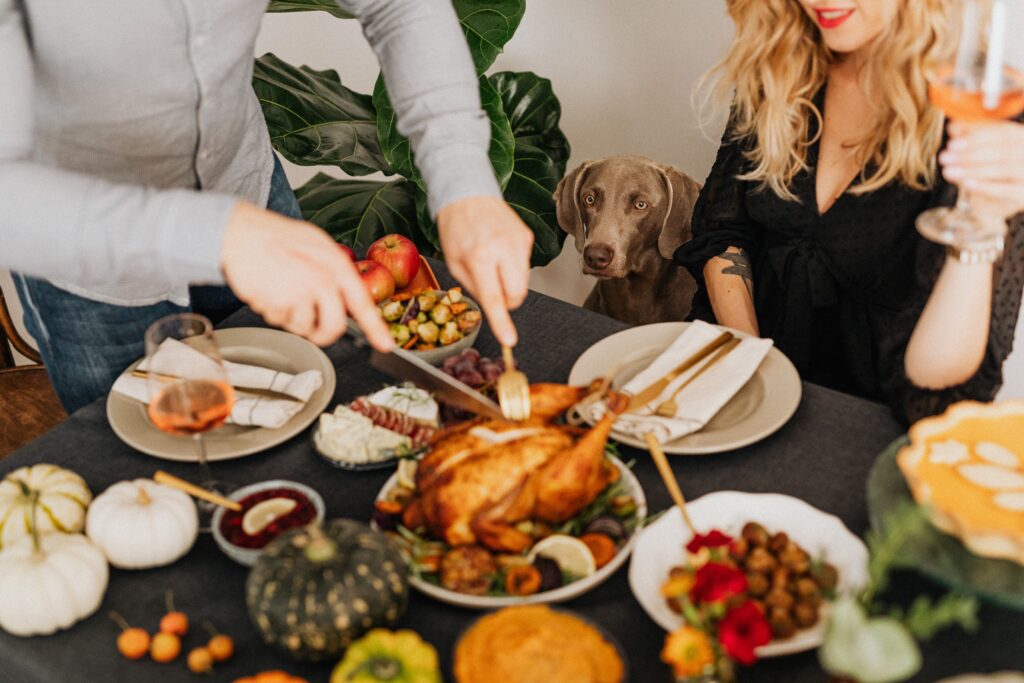
Thanksgiving dinner table with roasted turkey and holiday side dishes
Photo by Kaboompics via Pexels

1. Can Dogs Eat Thanksgiving Turkey?

The good news is that plain, fully cooked turkey can be a safe treat for many dogs when served properly and in small amounts.

If you’d like to share a little turkey with your dog, keep these guidelines in mind:

  • Remove all bones. Cooked poultry bones can splinter and cause choking, injuries to the digestive tract, or intestinal blockages.
  • Remove the skin and excess fat. Turkey skin and fatty scraps can be difficult to digest and may contribute to pancreatitis.
  • Skip the seasoning. Garlic, onion, and other ingredients commonly used to prepare holiday turkey can be harmful to dogs.
  • Choose plain, fully cooked meat. Avoid raw or undercooked poultry because it may contain harmful bacteria.
  • Offer only a small portion. Even safe foods can upset your dog’s stomach when introduced in large amounts.

A small piece of plain, boneless, skinless turkey is a much better choice than sharing a serving straight from the holiday platter.

Important: Never give your dog the turkey carcass or let them investigate it after dinner. Keep the bones, cooking string, and leftover scraps securely out of reach.

2. Thanksgiving Foods Dogs Should Avoid

Many traditional holiday dishes contain ingredients that are unhealthy or potentially dangerous for dogs. Even when a dish looks harmless, the ingredients used to prepare it can make all the difference.

Here are some common Thanksgiving foods to keep away from your dog.

Stuffing

Stuffing is best left off your dog’s plate. Many recipes contain onions, garlic, butter, seasonings, and sometimes raisins. Onions and garlic can damage a dog’s red blood cells, while raisins can cause serious kidney problems.

Gravy

Gravy often contains large amounts of fat, salt, butter, and seasonings. Rich, fatty foods can cause digestive upset and may trigger pancreatitis, a painful inflammation of the pancreas.

Mashed Potatoes

Plain, fully cooked potatoes aren’t generally the problem. It’s what we add to them! Traditional mashed potatoes often contain butter, milk, cream, garlic, onions, or other seasonings. It’s safest to keep the holiday version away from your dog.

Green Bean Casserole

Plain green beans can be a dog-friendly treat, but green bean casserole is a different story. It often contains cream-based sauces, salt, butter, and fried onions. If you’d like to share green beans, set aside a small portion before adding any toppings or seasonings.

Macaroni and Cheese

Although a tiny amount may not cause a problem for every dog, macaroni and cheese is generally too rich to make a good dog treat. Dairy, butter, cheese, and seasonings can cause digestive upset, especially in dogs that don’t tolerate dairy well.

Desserts and Sweets

Keep Thanksgiving desserts out of your dog’s reach. Chocolate can be toxic to dogs, and desserts containing raisins or grapes are also dangerous.

Be especially careful with sugar-free desserts, candy, and baked goods. Some contain xylitol, a sweetener that can cause a dangerous drop in blood sugar and potentially severe complications in dogs.

3. Thanksgiving Foods Dogs Can Enjoy in Small Amounts

If you’d like your dog to be part of the holiday celebration, there are a few simple foods you may be able to offer.

Always serve these foods plain, fully prepared, and in small portions:

  • Plain turkey: Fully cooked, boneless, skinless, and unseasoned.
  • Green beans: Plain and cooked or raw, without butter, salt, or seasoning.
  • Carrots: Plain, washed, and cut into appropriately sized pieces.
  • Sweet potatoes: Fully cooked and plain, without butter, brown sugar, marshmallows, or added spices.
  • Pumpkin: Plain, cooked pumpkin or 100% pure canned pumpkin. Avoid pumpkin pie filling, which can contain added sugar and spices.
  • Apples: Small pieces with the core and seeds removed.

Remember that these are occasional treats, not replacements for your dog’s regular food. Keep portions modest, particularly if your dog has a sensitive stomach, food allergies, or an existing health condition.

When in doubt, stick with your dog’s normal diet and ask your veterinarian before introducing new foods.

4. Watch Out for These Hidden Thanksgiving Dangers

Food isn’t the only holiday hazard dogs can encounter. Some of the biggest risks come from things that are easily overlooked during meal preparation and cleanup.

A few items deserve extra attention:

  • Onions and garlic: These ingredients can be toxic to dogs and may damage their red blood cells. They can appear in stuffing, gravy, casseroles, and seasonings.
  • Grapes and raisins: Even small amounts can cause serious kidney problems in dogs. Raisins may be hidden in stuffing, breads, and desserts.
  • Chocolate: Chocolate contains substances that are toxic to dogs. The level of risk depends on the type and amount eaten, as well as the dog’s size.
  • Xylitol: This sweetener may be found in some sugar-free candies, baked goods, and other products. It can cause a rapid drop in blood sugar and other serious effects.
  • Alcohol: Wine, cocktails, beer, and alcohol-containing foods should never be offered to dogs.
  • Macadamia nuts: These nuts can cause illness in dogs and should be kept out of reach.
  • Cooked bones and corn cobs: These can cause choking, intestinal injuries, or dangerous blockages.
  • Turkey string and skewers: Cooking twine, skewers, and other food-preparation items can cause serious problems if swallowed.

A good rule of thumb is to keep your dog away from food preparation areas and never assume a dish is safe just because its main ingredient is dog-friendly.

5. How to Keep Your Dog Safe During Thanksgiving Dinner

Thanksgiving can be an exciting, busy day. Between guests arriving, food being prepared, and everyone gathering around the table, it’s easy for dogs to get into things they normally wouldn’t.

A little planning can make a big difference.

Keep food out of reach. Don’t leave serving dishes, desserts, or leftovers unattended on countertops or low tables. Some dogs are surprisingly good at helping themselves!

Secure the garbage. Turkey bones, cooking string, foil, food scraps, and other leftovers can be tempting. Use a trash can with a secure lid, or place it somewhere your dog cannot access.

Ask guests not to feed your dog. Well-meaning family members may want to share a bite, but they may not know which ingredients are unsafe. Let everyone know ahead of time that your dog should not receive table scraps.

Give your dog a quiet place to relax. If your home is filled with visitors, noise, and activity, your dog may appreciate having a comfortable space away from the excitement.

Be mindful of open doors. With guests coming and going, dogs can sometimes slip outside unnoticed. Make sure your dog has proper identification and keep an eye on doors throughout the gathering.

Keep your dog’s routine as normal as possible. Regular meals, fresh water, walks, and familiar activities can help your dog feel comfortable even when the household schedule changes.

6. What Should You Do If Your Dog Eats Something They Shouldn’t?

Accidents happen, even when you’re careful. A dog might sneak a piece of stuffing, get into the trash, or grab something from an unattended plate.

If you suspect your dog has eaten something potentially toxic or dangerous, contact your veterinarian or a pet poison control service promptly. Don’t wait for symptoms to appear.

If possible, try to determine:

  • What your dog ate.
  • Approximately how much they ate.
  • When they ate it.
  • Your dog’s approximate weight.

Save the packaging or ingredient list if the food came from a package. This information can help veterinary professionals determine the appropriate next steps.

Watch for concerning signs such as repeated vomiting, diarrhea, abdominal pain, unusual tiredness, weakness, tremors, or changes in behavior. These symptoms can have several causes, and some food-related problems may not appear immediately.

If your dog is choking, having difficulty breathing, collapsing, or experiencing seizures, seek emergency veterinary care immediately.

Do not try to make your dog vomit or give home remedies unless a veterinarian or veterinary poison specialist specifically instructs you to do so. Some substances and objects can cause additional injury if brought back up.

You can save these poison control numbers before the holiday:

  • ASPCA Animal Poison Control Center: 888-426-4435
  • Pet Poison Helpline: 855-764-7661

Consultation fees may apply. Keep your regular veterinarian’s number and the nearest emergency veterinary hospital information handy, too.

7. Frequently Asked Questions About Thanksgiving Foods and Dogs

Can dogs eat turkey on Thanksgiving?

Yes, dogs can generally enjoy a small amount of plain, fully cooked turkey meat as long as it is boneless, skinless, and unseasoned. Avoid giving your dog turkey skin, bones, gravy, or meat prepared with onion or garlic.

Can dogs eat stuffing?

No. Stuffing commonly contains onions, garlic, butter, seasonings, and sometimes raisins, making it an unsafe choice for dogs.

Can dogs eat mashed potatoes?

Plain, fully cooked potatoes may be okay in small amounts, but traditional mashed potatoes often contain butter, cream, garlic, onions, and other ingredients that can upset your dog’s stomach or be harmful.

Can dogs eat pumpkin pie?

Pumpkin pie is not a good choice for dogs. It often contains added sugar, dairy, and spices, and some recipes or products may contain ingredients that are unsafe for pets. Plain, 100% pumpkin is a better alternative in a small amount.

What if my dog eats a turkey bone?

Contact your veterinarian promptly. Cooked turkey bones can splinter and cause choking, digestive tract injuries, or intestinal blockages. Don’t induce vomiting unless a veterinary professional specifically directs you to.

Should I give my dog a special Thanksgiving dinner?

You don’t have to! Your dog can enjoy the holiday without eating from the Thanksgiving table. Their regular food, a favorite dog-safe treat, and a little extra attention are more than enough to make the day special.

Final Thoughts

Thanksgiving is a wonderful time to gather with the people we love, and naturally, our dogs are part of the family, too. While sharing a little food can seem like a fun way to include them, it’s important to remember that many traditional holiday dishes aren’t suitable for our four-legged companions.

With a few simple precautions, you can help prevent accidental food-related emergencies and make the holiday safer for everyone. Knowing which Thanksgiving foods dogs can and can’t eat can make all the difference in keeping your furry family members safe throughout the holiday.

So, enjoy the turkey, spend time with family and friends, and give your dog a little extra love. After all, they don’t need a plate full of Thanksgiving leftovers to know they’re part of the family!

From all of us at Canine Time, we wish you and your four-legged family members a happy, healthy, and safe Thanksgiving!

Veterinary and Pet Safety Sources

The following resources provide additional information about holiday food safety and common hazards for dogs:

  1. American Animal Hospital Association (AAHA) – Thanksgiving Foods Pets Should Avoid
  2. American Veterinary Medical Association (AVMA) – Thanksgiving Pet Safety
  3. Pet Poison Helpline – Thanksgiving Pet Safety Tips
  4. ASPCA – Thanksgiving Safety Tips
  5. PetMD – What Food Can Dogs Eat on Thanksgiving?

Why Do Dogs Sniff Each Other? 8 Fascinating Facts About Canine Communication

Have you ever watched two dogs meet and wondered why their first instinct is often to start sniffing each other? Whether they’re investigating each other’s faces, bodies, or rear ends, this behavior is a perfectly normal part of how dogs communicate.

To humans, sniffing another dog’s behind might seem a little unusual, but to dogs, it’s much more than an awkward greeting. Their powerful sense of smell allows them to gather information about the world around them, including the other animals they encounter.

Understanding why dogs sniff each other helps us appreciate just how important scent is to their everyday communication. So, why do dogs sniff each other, and what exactly are they learning? Let’s take a closer look at the fascinating world of canine communication.

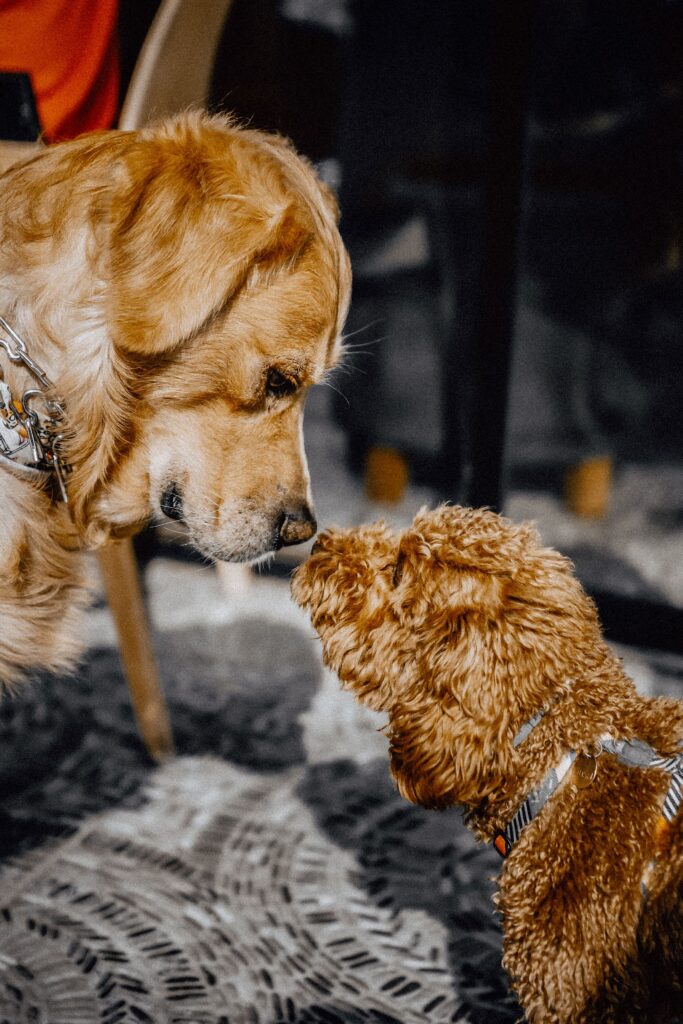
Two dogs greeting and sniffing each other – canine communication
Photo by Burak Evlivan via Pexels

1. Dogs Experience the World Through Their Sense of Smell

While humans depend heavily on sight and sound to understand their surroundings, dogs rely much more on their noses.

A dog’s sense of smell is remarkably sophisticated. Their noses contain specialized scent receptors that help them detect and distinguish odors that people might not even notice.

Dogs use their sense of smell to investigate unfamiliar places, recognize familiar people and animals, follow scent trails, and gather information about their surroundings.

Scent also plays an important role in communication between dogs. Every dog carries a unique collection of odors influenced by factors such as their body chemistry, diet, and environment.

When dogs meet, sniffing allows them to investigate these scent signals before deciding how they want to interact.

2. Why Do Dogs Sniff Each Other’s Rear Ends?

This is probably the part of canine behavior that gets the most attention from dog owners!

Dogs often sniff each other’s rear ends because of the scent-producing anal sacs located on either side of the anus. These small sacs contain glands that release strong-smelling secretions.

To another dog, these odors provide chemical information that contributes to recognizing and investigating a canine companion.

In other words, what might seem like an unusual greeting to us is a natural way for dogs to learn more about one another.

Dogs may also investigate other areas of the body, including the face, ears, and coat. Different areas carry different odors, giving dogs additional information to explore.

It’s important to remember that scientists are still learning about exactly what dogs can determine from individual scent signals. We shouldn’t assume that a quick sniff tells a dog everything about another animal.

3. What Can Dogs Learn From Another Dog’s Scent?

A dog’s scent can communicate information that isn’t immediately obvious through appearance alone.

When one dog investigates another, it may be gathering clues about:

  • Individual identity: Familiar scents can help dogs recognize animals they’ve encountered before.
  • Sex and reproductive status: Certain chemical signals can provide information related to reproduction.
  • Familiarity: Scent can help a dog distinguish between a familiar companion and an unfamiliar animal.
  • Changes in condition: Dogs may notice differences in another animal’s scent that people cannot easily detect.

Dogs also investigate urine markings and scents left behind in the environment. These odors are another important part of canine communication.

Think of scent as one part of a dog’s social information system. Along with body language, facial expressions, and vocalizations, it helps dogs understand what’s happening around them.

4. Why Do Dogs Circle and Sniff Each Other?

You may have noticed that dogs rarely stand perfectly still during a greeting. Instead, they often move around each other, sniffing different areas before deciding what to do next.

This movement is a normal part of canine social investigation.

Approaching from the side or moving in a curved path can allow dogs to gather information without immediately confronting one another face-to-face.

Direct, forceful approaches can sometimes create unnecessary social pressure, particularly when one of the dogs is unfamiliar or uncomfortable.

Some greetings are brief, while others involve several seconds of sniffing and circling. The length of the interaction can vary depending on the individual dogs and the circumstances.

Not every greeting needs to lead to play or a friendship. Sometimes two dogs simply investigate each other and move along.

5. Why Do Some Dogs Sniff More Than Others?

Just like people, dogs have individual personalities and preferences.

Some dogs are naturally curious and seem interested in investigating every new dog they encounter. Others are more reserved and prefer to observe from a distance.

Several factors can influence how much a dog sniffs:

  • Personality: Naturally curious dogs may spend more time investigating unfamiliar scents.
  • Experience: Dogs with different social experiences may approach greetings in different ways.
  • Excitement: An unfamiliar dog or an interesting environment can increase a dog’s interest in sniffing.
  • Confidence: Some dogs are comfortable approaching new companions, while others need more time and space.
  • Individual preference: Not every dog enjoys close physical interaction with unfamiliar dogs.

A dog who chooses not to participate in a greeting isn’t necessarily unfriendly or poorly socialized. Some dogs simply prefer a little personal space.

6. What Does It Mean When Dogs Sniff Each Other but Don’t Play?

This is something many dog owners wonder about.

Two dogs may spend several moments sniffing each other, exchange a little information, and then walk away without playing.

That’s completely normal!

Sniffing and playing are two different types of social behavior. A dog can be comfortable investigating another dog without wanting to engage in a game of chase or wrestling.

You might see dogs greet each other, briefly sniff, and then return to exploring their surroundings. Other dogs may show interest in playing immediately.

Pay attention to the overall interaction rather than assuming that every greeting should turn into playtime.

A successful interaction doesn’t have to be an exciting one. Sometimes calmly acknowledging another dog and moving on is exactly what both animals prefer.

7. How Can You Tell If a Dog Is Comfortable During a Greeting?

Sniffing is a normal canine behavior, but that doesn’t mean every dog enjoys being approached or investigated.

Understanding body language is important because dogs communicate their comfort level through much more than their noses.

Signs of a comfortable interaction may include:

  • Loose, relaxed body movements.
  • Soft facial expressions.
  • Relaxed ears and natural body posture.
  • Brief sniffing followed by the dogs moving away or changing activities.
  • Curiosity without excessive fixation.
  • The ability to disengage and move freely.

Signs that a dog may be uncomfortable include:

  • A stiff or rigid body.
  • Prolonged, intense staring.
  • Repeatedly turning away or trying to leave.
  • A tucked tail or tense facial expression.
  • Growling, snapping, or showing teeth.
  • One dog persistently following or crowding another dog that is trying to get away.

A wagging tail does not automatically mean a dog is happy. Tail position, movement, body tension, facial expression, and the overall situation should all be considered together.

If either dog appears uncomfortable, calmly create distance and allow them to settle. Never force dogs to continue interacting when one is trying to disengage.

8. How Should Owners Handle Dog-to-Dog Greetings?

Allowing dogs to investigate one another can be a positive part of social interaction, but introductions should always be handled with care.

Here are a few helpful guidelines:

Give dogs room to approach. Avoid forcing two unfamiliar dogs into a close, face-to-face greeting. Allow them to approach at a comfortable pace.

Watch their body language. Pay attention to both dogs throughout the interaction, not just the dog you know best.

Keep initial greetings brief. A short opportunity to sniff can be enough. If both dogs remain comfortable, they can have another opportunity to interact.

Allow dogs to walk away. If one dog loses interest or moves away, respect that choice. The other dog should not be allowed to repeatedly pursue an unwilling companion.

Avoid forcing friendships. Some dogs enjoy meeting new canine companions, while others are perfectly content with a smaller social circle.

For dogs who are nervous, reactive, or uncomfortable around unfamiliar animals, introductions should be approached especially carefully. A qualified, reward-based trainer or veterinary behavior professional can help determine the safest approach.

Remember, the goal isn’t to make every dog interact with every other dog. It’s to create positive experiences while respecting each dog’s individual comfort level.

Frequently Asked Questions

Why do dogs sniff each other’s private areas?

Dogs investigate the scent-producing glands around another dog’s rear end because these odors are part of canine chemical communication. It’s a natural way to gather information about an unfamiliar or familiar dog.

Why does my dog sniff another dog and then lick them?

Sniffing and licking can both occur during canine greetings. Licking may be a social behavior, an expression of interest, or part of an individual dog’s greeting style. Its meaning depends on the surrounding body language and situation.

Why does my dog sniff another dog repeatedly?

Some dogs are especially interested in investigating unfamiliar scents. However, repeated sniffing can become uncomfortable if the other dog is trying to move away. It’s important to allow both dogs opportunities to disengage.

Should I stop my dog from sniffing other dogs?

Not necessarily. Sniffing is a normal part of canine communication. However, owners should intervene when an interaction becomes too intense, one dog appears uncomfortable, or either animal cannot move away freely.

Do dogs recognize each other by smell?

Yes! Scent plays an important role in canine recognition. Dogs can use familiar odors to distinguish individuals and investigate animals they have encountered previously.

Final Thoughts

The next time you see two dogs greeting each other with a little sniffing and circling, remember that they’re doing much more than simply saying hello.

They’re using one of their most important senses to investigate, recognize, and communicate with the world around them.

What might seem like an unusual greeting to us is actually a fascinating part of being a dog!

Every dog has their own personality, social preferences, and comfort level. By understanding canine communication and respecting those differences, we can help create safer and more positive experiences for our four-legged companions.

Ultimately, understanding why dogs sniff each other gives us a better appreciation for the way they experience and communicate with the world around them. After all, sometimes a simple sniff can give a dog useful clues about whether they’d like to continue an interaction or simply go about their day.

Veterinary and Animal Behavior Sources

The following resources provide additional information about canine scent communication, normal social behavior, and dog body language:

  1. Merck Veterinary Manual – Normal Social Behavior in Dogs
  2. American Veterinary Society of Animal Behavior – Understanding Canine Facial Expressions and Body Postures
  3. University of Pennsylvania School of Veterinary Medicine – Dog Body Language Basics
  4. Wisconsin Humane Society – Dog-to-Dog Introductions
  5. American Chemical Society – Why Do Dogs Sniff Each Other’s Butts?

This article is intended for general educational purposes and is not a substitute for individualized veterinary or professional behavior advice.

Why Do Dogs Eat So Fast? 7 Reasons Your Dog Might Be Gobbling Down Their Food

Why do dogs eat so fast? If your dog seems to inhale their food in seconds, you’re certainly not alone. Some dogs barely pause to chew, leaving their owners wondering whether they even tasted their meal!

Eating quickly is a common habit among dogs, but there are several reasons behind it. Some are instinctive, while others develop through experience, routine, or excitement around food.

Although fast eating isn’t always a cause for concern, it can sometimes lead to problems and may be worth addressing. Let’s explore why dogs eat so quickly, what potential concerns to watch for, and some practical ways to help slow them down.

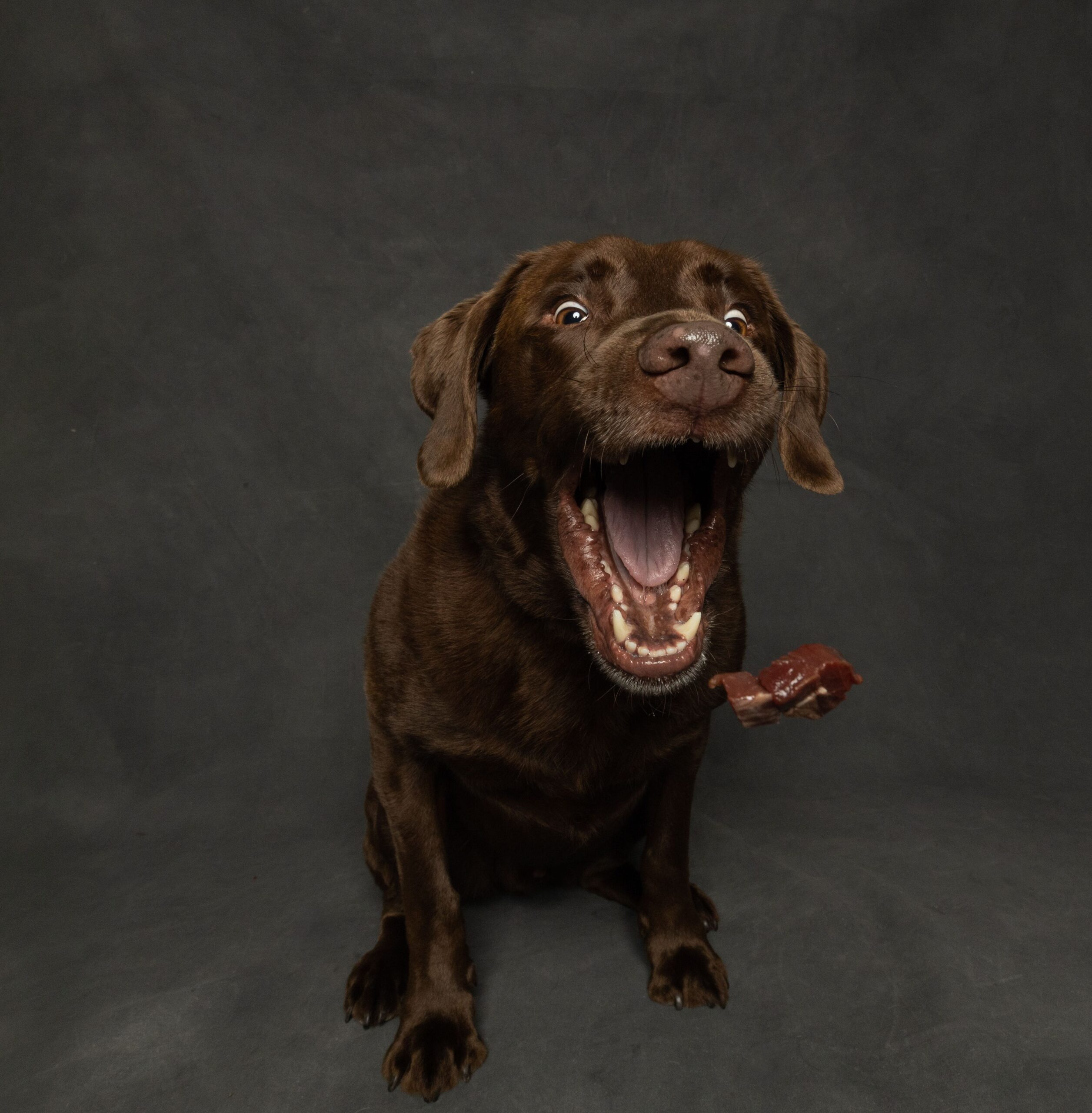
Chocolate Labrador eating quickly – why do dogs eat so fast?
Photo by Sharon Snider via Pexels

Why Do Dogs Eat So Fast? 7 Common Reasons

1. Natural Food-Seeking Instincts

Dogs are natural opportunists when it comes to food. Their ancestors often had to eat whenever food was available, rather than knowing when their next meal would come.

While today’s dogs generally have regular meals and dependable access to food, some instinctive behaviors remain. Eating quickly can be one of them.

For certain dogs, finishing a meal as quickly as possible may simply feel natural, even when there is no competition or shortage of food.

2. Competition With Other Dogs or Pets

Dogs that live with other pets may feel pressure to eat quickly, even when food is consistently available.

If a dog has previously competed with littermates, siblings, or other household pets for food, that experience can influence how they approach mealtime later in life.

In a multi-dog household, feeding pets in separate spaces can help reduce competition and give each dog the opportunity to enjoy their meal at a comfortable pace.

3. Learned Habits and Past Experiences

A dog’s eating habits can be shaped by their experiences, especially during puppyhood.

Puppies raised in environments where several dogs eat together may become accustomed to eating quickly. Some dogs may also develop this habit after experiencing inconsistent access to food earlier in life.

Even when a dog no longer needs to compete for meals, the habit can stick. Over time, eating quickly may simply become part of their normal routine.

4. A Strong Food Motivation

Some dogs are simply very enthusiastic about food! Certain breeds and individual dogs are especially food motivated, meaning meals and treats are among their favorite things.

For these dogs, the excitement of eating can make it difficult to slow down. They may focus so intensely on their food that they barely pause between bites.

A strong appetite doesn’t necessarily mean something is wrong. However, if your dog’s hunger seems unusually intense or has recently increased, it’s worth discussing with your veterinarian.

5. Increased Hunger or Changes in Appetite

Sometimes, eating quickly can be related to a dog feeling hungrier than usual.

Changes in activity levels, feeding schedules, or the amount of food being offered may influence how eagerly a dog approaches meals. However, a sudden or unexplained increase in appetite can sometimes point to an underlying medical issue.

Certain health conditions and medications can affect appetite. If your dog seems constantly hungry, is losing weight despite eating, or is drinking and urinating more than usual, contact your veterinarian for guidance.

6. Excitement Around Mealtime

For many dogs, mealtime is one of the highlights of the day! The moment they hear their food container open or see their bowl being prepared, their excitement can take over.

Some dogs become so eager to eat that they rush through their meals without taking their time.

Creating a calm and consistent feeding routine may help. Try asking your dog to settle before placing their bowl down, and avoid turning mealtime into an overly exciting event.

7. Individual Personality and Eating Style

Just like people, dogs have individual personalities and habits. Some naturally take their time eating, while others approach every meal with enthusiasm.

A dog’s age, temperament, previous experiences, and individual food preferences can all influence how they eat.

If your dog has always been a fast eater but is otherwise healthy and maintaining a normal weight, it may simply be their personal eating style. Even so, encouraging a slower pace can be a helpful habit to develop.

What Happens When Dogs Eat Too Fast?

Although eating quickly is common, consistently gulping down food can sometimes create problems. Understanding why dogs eat so fast can help owners recognize potentially unhealthy feeding habits and take steps to make mealtimes safer and more comfortable.

Some dogs may swallow excess air while eating, which can contribute to gas, burping, or digestive discomfort. Eating too quickly may also increase the chances of choking or regurgitating food.

One particularly serious condition owners should understand is gastric dilatation-volvulus (GDV), commonly known as bloat. This is a life-threatening emergency in which the stomach fills with gas and may twist.

Rapid eating has been associated with certain risk factors for GDV, but it is not established as a direct cause on its own. Deep-chested and large-breed dogs are among those at greater risk.

Signs of possible bloat include:

  • A swollen or distended abdomen
  • Repeated attempts to vomit without bringing anything up
  • Excessive drooling
  • Restlessness or pacing
  • Weakness or collapse

If you suspect bloat, seek emergency veterinary care immediately. Do not wait to see whether symptoms improve.

7 Ways to Help Your Dog Eat More Slowly

If your dog regularly finishes meals in seconds, there are several practical ways to encourage a slower eating pace. Fortunately, many of these solutions are simple and inexpensive.

1. Try a Slow Feeder Bowl

Slow feeder bowls are designed with raised patterns, ridges, or obstacles that make it more challenging for dogs to reach their food. Instead of gulping down large mouthfuls, dogs must work around the design to retrieve individual pieces of kibble.

2. Use a Food Puzzle or Interactive Feeder

Food puzzles can turn mealtime into a mentally stimulating activity. These products encourage dogs to work for their food, helping extend the time it takes to finish a meal.

3. Divide Meals Into Smaller Portions

Rather than feeding one large meal, consider dividing your dog’s daily food allowance into multiple smaller meals. This may help some dogs feel more comfortable throughout the day.

4. Feed Dogs Separately

If you have multiple pets, try feeding them in separate rooms or areas. Removing competition can help dogs feel more relaxed and reduce the urge to rush through their food.

5. Spread Out Their Kibble

For dogs who eat dry food, spreading kibble across a clean, safe, flat surface or an appropriate feeding mat can make it harder to gulp down large amounts at once. Always supervise your dog and use a surface designed for feeding.

6. Incorporate Supervised Enrichment

Some dogs enjoy working for their meals through appropriate food-dispensing toys or other enrichment activities. Choose products suited to your dog’s size and chewing habits, and supervise their use.

7. Establish a Consistent Feeding Routine

Dogs often thrive on predictable schedules. Feeding at consistent times in a calm environment can help reduce excitement and make mealtime more relaxed.

Remember that every dog is different. You may need to try more than one approach to find what works best.

When Should You Talk to Your Veterinarian?

If your dog has always been a fast eater, it may simply be a long-standing habit. However, a sudden change in eating behavior deserves attention.

Consider contacting your veterinarian if you notice:

  • A sudden increase in appetite
  • Unexplained weight loss
  • Frequent vomiting or regurgitation
  • Diarrhea or ongoing digestive discomfort
  • Increased thirst or urination
  • Changes in energy levels or behavior

Your veterinarian can help determine whether your dog’s eating habits are simply behavioral or whether an underlying health concern needs to be addressed.

If your dog shows signs of bloat, seek emergency veterinary care immediately rather than waiting for a routine appointment.

Frequently Asked Questions

Why is my dog always hungry, even after eating?

Some dogs are naturally very food motivated. However, persistent hunger can sometimes be related to diet, activity levels, medications, or medical conditions. If your dog’s appetite seems excessive or has changed suddenly, consult your veterinarian.

Do slow feeder bowls actually work?

Slow feeder bowls can help many dogs take smaller bites and spend more time eating. They are a simple way to make meals more engaging, although results vary depending on the dog and bowl design.

Should I feed my dog smaller meals throughout the day?

Dividing your dog’s daily food allowance into smaller meals may help some fast eaters. The appropriate feeding schedule depends on your dog’s age, health, and individual needs, so ask your veterinarian if you’re unsure.

Can eating too fast cause bloat?

Rapid eating has been associated with some GDV risk factors, but it has not been established as a direct cause on its own. GDV is a serious emergency, and owners should know the warning signs.

Do puppies eat faster than adult dogs?

Some puppies eat very enthusiastically, particularly when accustomed to eating alongside littermates. Establishing a calm feeding routine and using an age-appropriate slow feeder can help encourage better habits.

Final Thoughts

Watching your dog inhale their dinner can certainly be entertaining, but understanding why they eat so quickly is important.

Whether it’s instinct, excitement, learned behavior, or simply a love of food, there are plenty of ways to encourage healthier mealtime habits.

Small adjustments, such as introducing a slow feeder, creating a calmer feeding environment, or dividing meals into smaller portions, can make a difference.

Most importantly, pay attention to changes in your dog’s appetite and eating behavior. When something seems unusual, your veterinarian is always the best resource.

After all, a happy and healthy dog starts with good everyday habits, even at the food bowl!

Veterinary Sources and Further Reading

1. Cornell University – Gastric Dilatation-Volvulus (Bloat)

2. VCA Animal Hospitals – Feeding a Dog Who Is a Glutton

3. Merck Veterinary Manual – Gastric Dilation and Volvulus in Small Animals