Why do dogs eat so fast? If your dog seems to inhale their food in seconds, you’re certainly not alone. Some dogs barely pause to chew, leaving their owners wondering whether they even tasted their meal!
Eating quickly is a common habit among dogs, but there are several reasons behind it. Some are instinctive, while others develop through experience, routine, or excitement around food.
Although fast eating isn’t always a cause for concern, it can sometimes lead to problems and may be worth addressing. Let’s explore why dogs eat so quickly, what potential concerns to watch for, and some practical ways to help slow them down.
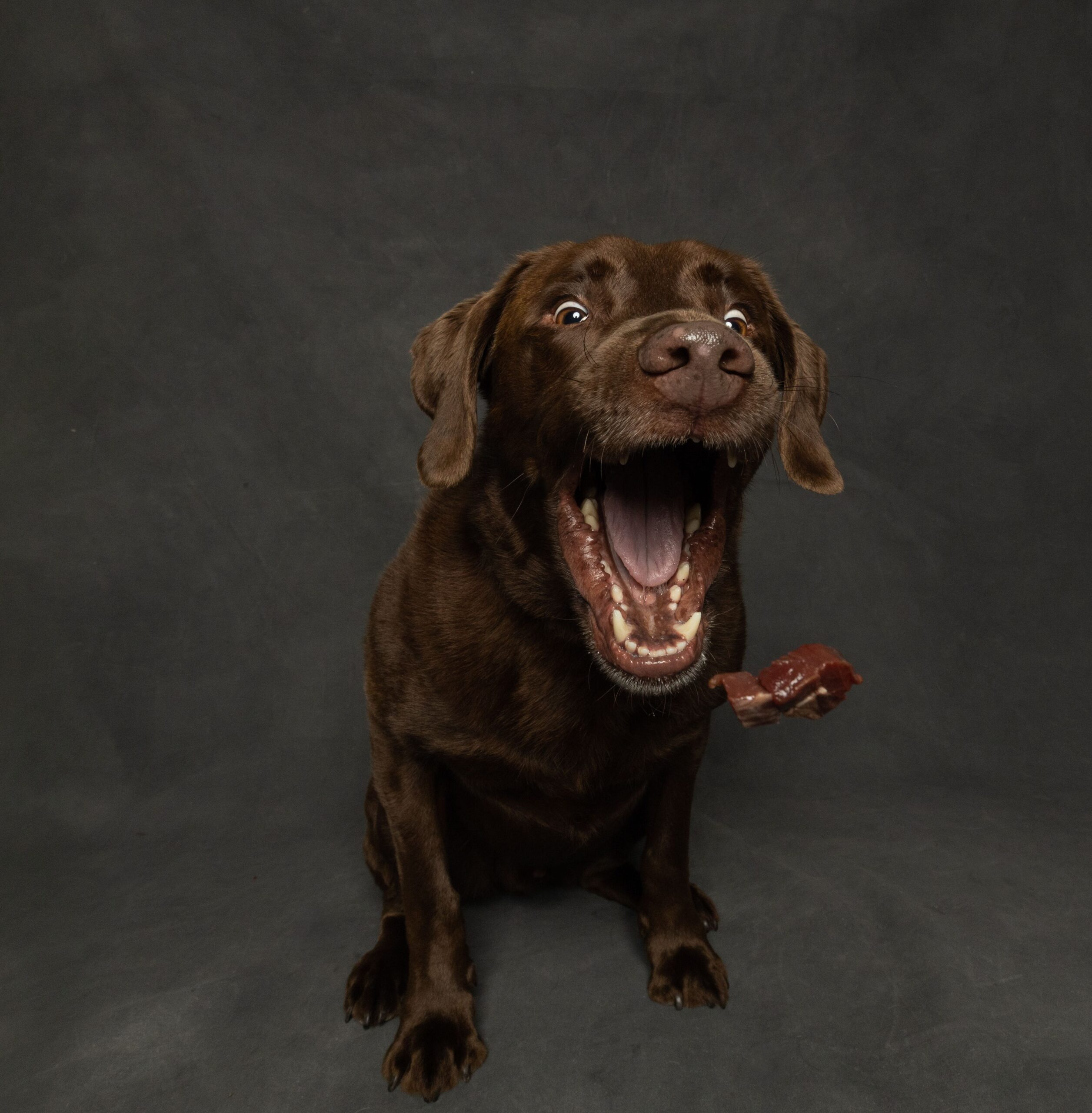
Why Do Dogs Eat So Fast? 7 Common Reasons
1. Natural Food-Seeking Instincts
Dogs are natural opportunists when it comes to food. Their ancestors often had to eat whenever food was available, rather than knowing when their next meal would come.
While today’s dogs generally have regular meals and dependable access to food, some instinctive behaviors remain. Eating quickly can be one of them.
For certain dogs, finishing a meal as quickly as possible may simply feel natural, even when there is no competition or shortage of food.
2. Competition With Other Dogs or Pets
Dogs that live with other pets may feel pressure to eat quickly, even when food is consistently available.
If a dog has previously competed with littermates, siblings, or other household pets for food, that experience can influence how they approach mealtime later in life.
In a multi-dog household, feeding pets in separate spaces can help reduce competition and give each dog the opportunity to enjoy their meal at a comfortable pace.
3. Learned Habits and Past Experiences
A dog’s eating habits can be shaped by their experiences, especially during puppyhood.
Puppies raised in environments where several dogs eat together may become accustomed to eating quickly. Some dogs may also develop this habit after experiencing inconsistent access to food earlier in life.
Even when a dog no longer needs to compete for meals, the habit can stick. Over time, eating quickly may simply become part of their normal routine.
4. A Strong Food Motivation
Some dogs are simply very enthusiastic about food! Certain breeds and individual dogs are especially food motivated, meaning meals and treats are among their favorite things.
For these dogs, the excitement of eating can make it difficult to slow down. They may focus so intensely on their food that they barely pause between bites.
A strong appetite doesn’t necessarily mean something is wrong. However, if your dog’s hunger seems unusually intense or has recently increased, it’s worth discussing with your veterinarian.
5. Increased Hunger or Changes in Appetite
Sometimes, eating quickly can be related to a dog feeling hungrier than usual.
Changes in activity levels, feeding schedules, or the amount of food being offered may influence how eagerly a dog approaches meals. However, a sudden or unexplained increase in appetite can sometimes point to an underlying medical issue.
Certain health conditions and medications can affect appetite. If your dog seems constantly hungry, is losing weight despite eating, or is drinking and urinating more than usual, contact your veterinarian for guidance.
6. Excitement Around Mealtime
For many dogs, mealtime is one of the highlights of the day! The moment they hear their food container open or see their bowl being prepared, their excitement can take over.
Some dogs become so eager to eat that they rush through their meals without taking their time.
Creating a calm and consistent feeding routine may help. Try asking your dog to settle before placing their bowl down, and avoid turning mealtime into an overly exciting event.
7. Individual Personality and Eating Style
Just like people, dogs have individual personalities and habits. Some naturally take their time eating, while others approach every meal with enthusiasm.
A dog’s age, temperament, previous experiences, and individual food preferences can all influence how they eat.
If your dog has always been a fast eater but is otherwise healthy and maintaining a normal weight, it may simply be their personal eating style. Even so, encouraging a slower pace can be a helpful habit to develop.
What Happens When Dogs Eat Too Fast?
Although eating quickly is common, consistently gulping down food can sometimes create problems. Understanding why dogs eat so fast can help owners recognize potentially unhealthy feeding habits and take steps to make mealtimes safer and more comfortable.
Some dogs may swallow excess air while eating, which can contribute to gas, burping, or digestive discomfort. Eating too quickly may also increase the chances of choking or regurgitating food.
One particularly serious condition owners should understand is gastric dilatation-volvulus (GDV), commonly known as bloat. This is a life-threatening emergency in which the stomach fills with gas and may twist.
Rapid eating has been associated with certain risk factors for GDV, but it is not established as a direct cause on its own. Deep-chested and large-breed dogs are among those at greater risk.
Signs of possible bloat include:
- A swollen or distended abdomen
- Repeated attempts to vomit without bringing anything up
- Excessive drooling
- Restlessness or pacing
- Weakness or collapse
If you suspect bloat, seek emergency veterinary care immediately. Do not wait to see whether symptoms improve.
7 Ways to Help Your Dog Eat More Slowly
If your dog regularly finishes meals in seconds, there are several practical ways to encourage a slower eating pace. Fortunately, many of these solutions are simple and inexpensive.
1. Try a Slow Feeder Bowl
Slow feeder bowls are designed with raised patterns, ridges, or obstacles that make it more challenging for dogs to reach their food. Instead of gulping down large mouthfuls, dogs must work around the design to retrieve individual pieces of kibble.
2. Use a Food Puzzle or Interactive Feeder
Food puzzles can turn mealtime into a mentally stimulating activity. These products encourage dogs to work for their food, helping extend the time it takes to finish a meal.
3. Divide Meals Into Smaller Portions
Rather than feeding one large meal, consider dividing your dog’s daily food allowance into multiple smaller meals. This may help some dogs feel more comfortable throughout the day.
4. Feed Dogs Separately
If you have multiple pets, try feeding them in separate rooms or areas. Removing competition can help dogs feel more relaxed and reduce the urge to rush through their food.
5. Spread Out Their Kibble
For dogs who eat dry food, spreading kibble across a clean, safe, flat surface or an appropriate feeding mat can make it harder to gulp down large amounts at once. Always supervise your dog and use a surface designed for feeding.
6. Incorporate Supervised Enrichment
Some dogs enjoy working for their meals through appropriate food-dispensing toys or other enrichment activities. Choose products suited to your dog’s size and chewing habits, and supervise their use.
7. Establish a Consistent Feeding Routine
Dogs often thrive on predictable schedules. Feeding at consistent times in a calm environment can help reduce excitement and make mealtime more relaxed.
Remember that every dog is different. You may need to try more than one approach to find what works best.
When Should You Talk to Your Veterinarian?
If your dog has always been a fast eater, it may simply be a long-standing habit. However, a sudden change in eating behavior deserves attention.
Consider contacting your veterinarian if you notice:
- A sudden increase in appetite
- Unexplained weight loss
- Frequent vomiting or regurgitation
- Diarrhea or ongoing digestive discomfort
- Increased thirst or urination
- Changes in energy levels or behavior
Your veterinarian can help determine whether your dog’s eating habits are simply behavioral or whether an underlying health concern needs to be addressed.
If your dog shows signs of bloat, seek emergency veterinary care immediately rather than waiting for a routine appointment.
Frequently Asked Questions
Why is my dog always hungry, even after eating?
Some dogs are naturally very food motivated. However, persistent hunger can sometimes be related to diet, activity levels, medications, or medical conditions. If your dog’s appetite seems excessive or has changed suddenly, consult your veterinarian.
Do slow feeder bowls actually work?
Slow feeder bowls can help many dogs take smaller bites and spend more time eating. They are a simple way to make meals more engaging, although results vary depending on the dog and bowl design.
Should I feed my dog smaller meals throughout the day?
Dividing your dog’s daily food allowance into smaller meals may help some fast eaters. The appropriate feeding schedule depends on your dog’s age, health, and individual needs, so ask your veterinarian if you’re unsure.
Can eating too fast cause bloat?
Rapid eating has been associated with some GDV risk factors, but it has not been established as a direct cause on its own. GDV is a serious emergency, and owners should know the warning signs.
Do puppies eat faster than adult dogs?
Some puppies eat very enthusiastically, particularly when accustomed to eating alongside littermates. Establishing a calm feeding routine and using an age-appropriate slow feeder can help encourage better habits.
Final Thoughts
Watching your dog inhale their dinner can certainly be entertaining, but understanding why they eat so quickly is important.
Whether it’s instinct, excitement, learned behavior, or simply a love of food, there are plenty of ways to encourage healthier mealtime habits.
Small adjustments, such as introducing a slow feeder, creating a calmer feeding environment, or dividing meals into smaller portions, can make a difference.
Most importantly, pay attention to changes in your dog’s appetite and eating behavior. When something seems unusual, your veterinarian is always the best resource.
After all, a happy and healthy dog starts with good everyday habits, even at the food bowl!
Veterinary Sources and Further Reading
1. Cornell University – Gastric Dilatation-Volvulus (Bloat)
2. VCA Animal Hospitals – Feeding a Dog Who Is a Glutton
3. Merck Veterinary Manual – Gastric Dilation and Volvulus in Small Animals
Leave a Reply